A Leader’s Guide to Reducing Soft Tissue Injuries

3 practical actions leaders can reinforce daily to prevent workplace strains and sprains before they happen.


Group 1261152302

Consistent Science-Backed Warm Ups

Body positioning

Strong Body Positioning & Mechanics

Fatigue Management

Recovery and Fatigue Management

01-2

Establish a Consistent Science-Backed Warm Up at the Start of Shift

Lack of mobility and starting work cold increases risk.

Many organizations have tried some version of stretch & flex, but results are often inconsistent. 

The challenge is that many traditional warm-ups aren’t designed around the actual physical demands crews face each day. When warm-ups lack relevance, variety, or leadership reinforcement, participation drops and the impact disappears.


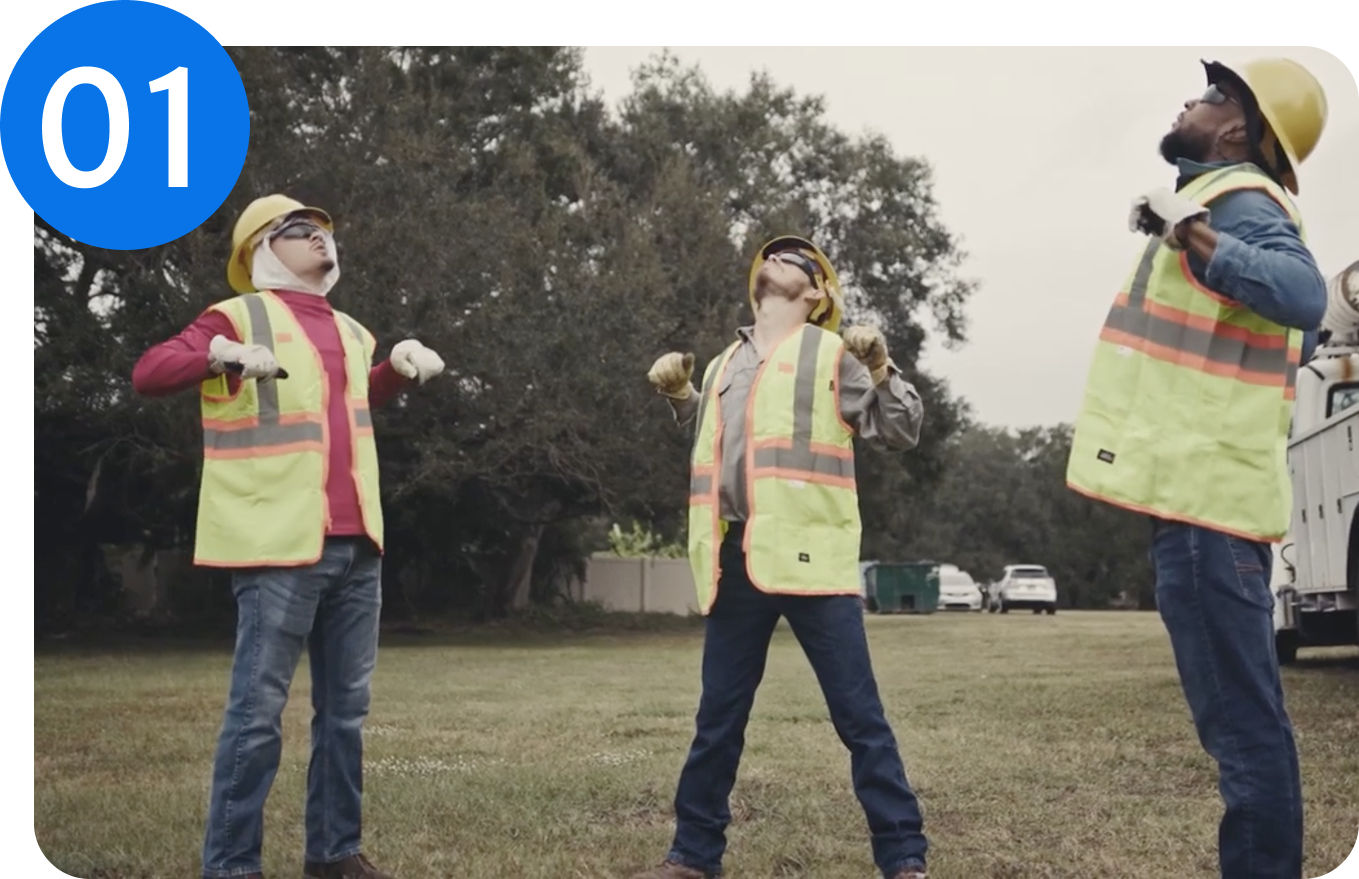
Guided Full-Body Warm-Up

WHAT WORKS IN PRACTICE

Equip Leaders and Crews to Prepare Their Bodies Daily

  • Implement a 3–5 minute dynamic warm-up designed around the physical demands of the day’s work
  • Provide simple leader guides or follow-along videos that make it easy to run warm-ups during morning huddles
  • Rotate short, fresh routines regularly to maintain engagement and avoid repetitive “check-the-box” stretching
  • Reinforce warm-ups as part of the start-of-shift routine, not an optional activity crews skip when time is tight
  • Equip leaders to reinforce the “why,” positioning warm-ups as an investment in long-term health, performance, and life outside of work
02-1

Consistently Reinforce Strong Body Positioning

Most crews aren’t shown the strongest position for the task.

Safety guidance often focuses on general reminders like “lift with your legs” or “use proper form.” But these cues don’t always translate to the wide variety of tasks crews perform in the field.

Without clear, task-specific examples, workers are left to figure it out on their own, often relying on speed, habit, or what feels easiest in the moment. Over time, that leads to unnecessary strain, fatigue, and increased injury risk.


Pulling Cable: Body Positioning Guidance

WHAT WORKS IN PRACTICE

Regularly Equip Crews with Guidance on Job-Specific Body Positioning

  • Define and share the strongest position for the task across common and high-risk job activities.
  • Leverage experts or veterans of the trade to inform the guidance for accuracy and relatability
  • Provide task-specific examples that show what good positioning looks like in real job scenarios
  • Integrate quick positioning reminders into daily workflows and jobsite touchpoints
  • Encourage leaders to coach in the moment, reinforcing positioning during work not just before it starts
03-1

Support Actions That Enhance Recovery & Reduce Fatigue

Fatigue is one of the most common but least managed safety risks.

Long hours, demanding work, and unpredictable schedules especially during storm response and peak seasons can quickly wear crews down. Sleep, hydration, and fueling are often treated as personal choices rather than critical factors that directly impact safety and performance.

Without consistent reinforcement, crews are left to “push through” fatigue, even as reaction time, decision-making, and physical capacity decline. 


Sleep & Recovery at Home

WHAT WORKS IN PRACTICE

Practical Ways to Reduce Fatigue and Improve Performance

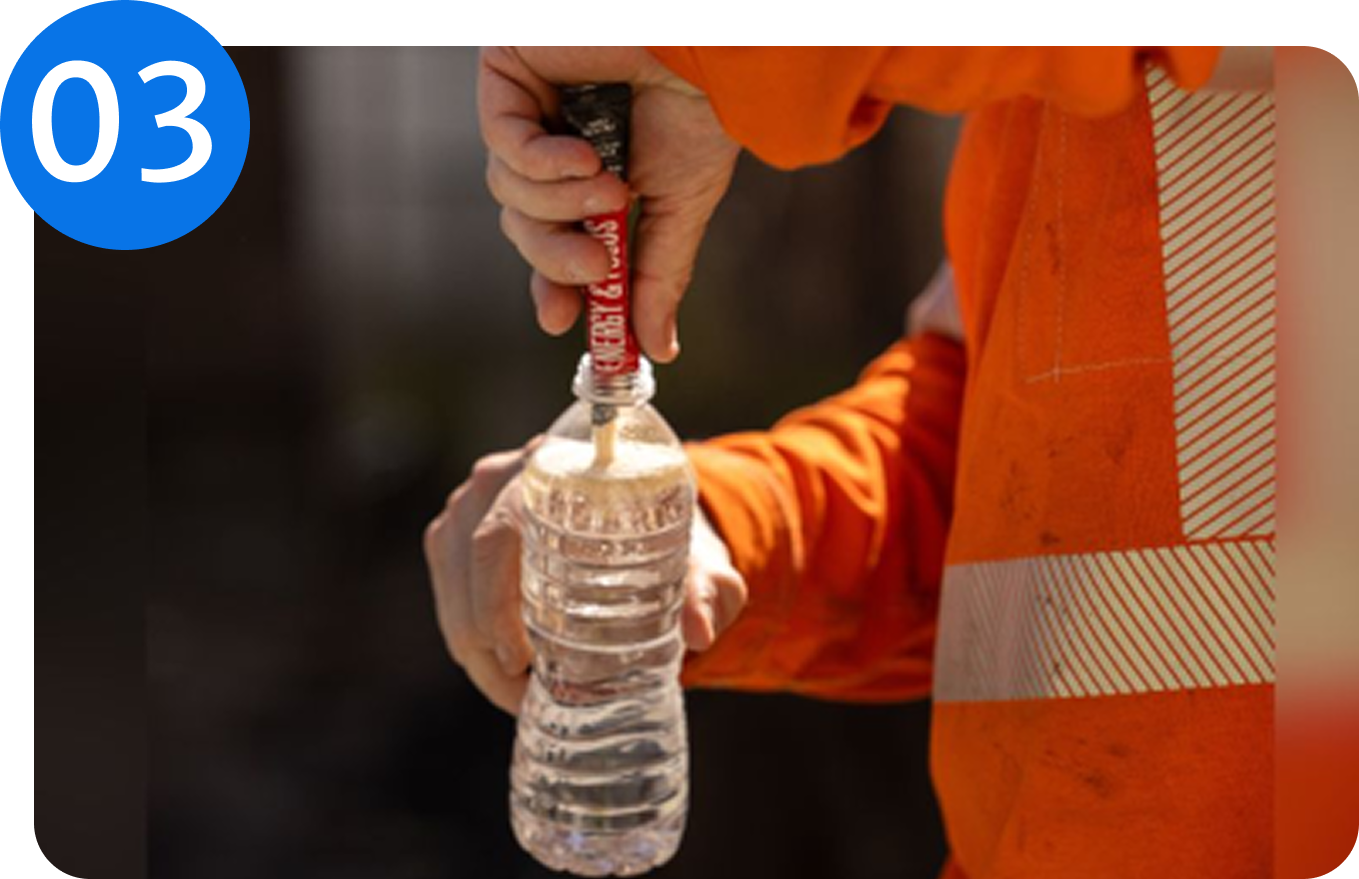
  • Reinforce sleep, hydration, and fueling as critical safety factors, not personal preferences
  • Equip frontline leaders with simple talking points to address fatigue as a hazard during pre-job briefs and tailboards
  • Increase frequency of reinforcement during high-risk periods like storm response, outages, and peak workload seasons
  • Use short, science-backed content to explain the “why” behind fatigue and its impact on performance and decision-making
  • Provide practical, field-ready strategies crews can use during demanding operations (e.g., improving sleep quality, managing energy, staying fueled)

Ready to reduce soft tissue injuries across your workforce?

Discover how Vimocity’s expert-driven content and delivery platform helps leading organizations reinforce these habits daily resulting in 50%+ reductions in strains and sprains.