— VIMOCITY LEADER GUIDE — 

Close the Gap Between
Safety Training
and Real Work

A practical guide for safety and operational leaders to strengthen safety communication across generations, roles, and work environments.


Built from what’s working in the field with modern industrial workforces.
THE NEW REALITY

Today's Workforce Learns Differently


Multiple generations. Multiple roles. Multiple work environments. When safety messages aren't reaching every workgroup consistently, it isn't just a people challenge; it's an operational risk.


4
+

Generations Working Side-by-Side

10
+

Different Work Environments

100
+

Decisions Per Shift

When training and safety messages don't land,  risk isn't theoretical. It shows up as near misses, injuries, and serious incidents.


THE CHALLENGE

Why Traditional Safety Training Falls Short


Most safety programs rely heavily on periodic events: Annual OSHA refreshers, monthly meetings, generic presentations. Well-intentioned, but often not enough to drive real behavior change.


TRADITIONAL TRAINING
WHAT WORKS IN PRACTICE

FREQUENCY

Annual or monthly events. Out-of-sight between sessions

 FREQUENCY

Daily micro-reinforcement embedded into the flow of work

FREQUENCY
Annual or monthly events. Out-of-sight between sessions
FREQUENCY
Daily micro-reinforcement embedded into the flow of work
FREQUENCY
Annual or monthly events. Out-of-sight between sessions
FREQUENCY
Daily micro-reinforcement embedded into the flow of work


TRADITIONAL TRAINING WHAT WORKS IN PRACTICE
Frequency

Annual or monthly events. Out-of-sight between sessions.

Frequency

Daily micro-reinforcement embedded into the flow of work.

Frequency

Annual or monthly events. Out-of-sight between sessions.

Frequency

Daily micro-reinforcement embedded into the flow of work.

4
+

Generations Working Side-by-Side

10
+

Different Work Environments

100
+

Decisions Per Shift

When training and safety messages don't land,  risk isn't theoretical. It shows up as near misses, injuries, and serious incidents.


01-1
TAKEAWAY 1

Build a Real Relationship With Your Contractor Safety Counterpart

Effective contractor safety starts with connection, not control. Establish a regular cadence with the contractor's safety or operations lead. Use the time to align on expectations, upcoming risks, and how safety will be reinforced in the field.

Make it a two-way exchange. Contractors often operate across multiple utilities and job sites. They see what works and what does not. Ask about what safety practices are resonating with their crews, where they are pushing back, and what innovations have helped reduce risk on other jobs. This mutual learning builds trust and surfaces practical improvements that formal audits often miss. 


 IN PRACTICE 
Discussion Guide

Utilities use these topic prompts to structure conversations with contractor counterparts, ensuring alignment and building a positive working relationship.

Partnership Convo Guide


02
TAKEAWAY 1

Reinforce Safety Daily in the Flow of Work

Safety cannot live only in manuals or periodic training sessions. It has to show up where decisions are made.

Whenever possible, being onsite matters. Observing work, asking questions, and listening builds credibility and trust. But it is not scalable on its own.

The key is creating a system that reinforces safety awareness for both utility and contractor crews as part of daily operations. Pre-job briefs. Joint safety meetings. Short reminders tied to real conditions crews are facing that day.


 IN PRACTICE 
Short, Practical Readiness Content

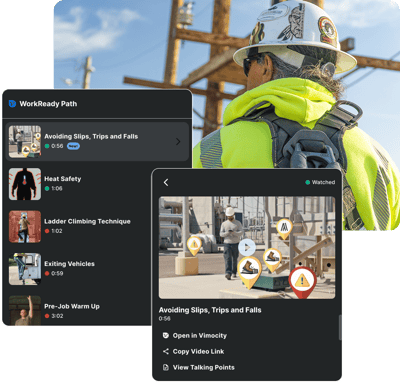
Utilities use Vimocity to embed expert-driven safety content into existing work systems to reinforce hazard recognition daily. The key is to ensure awareness messages are short and relevant to the actual work being performed.

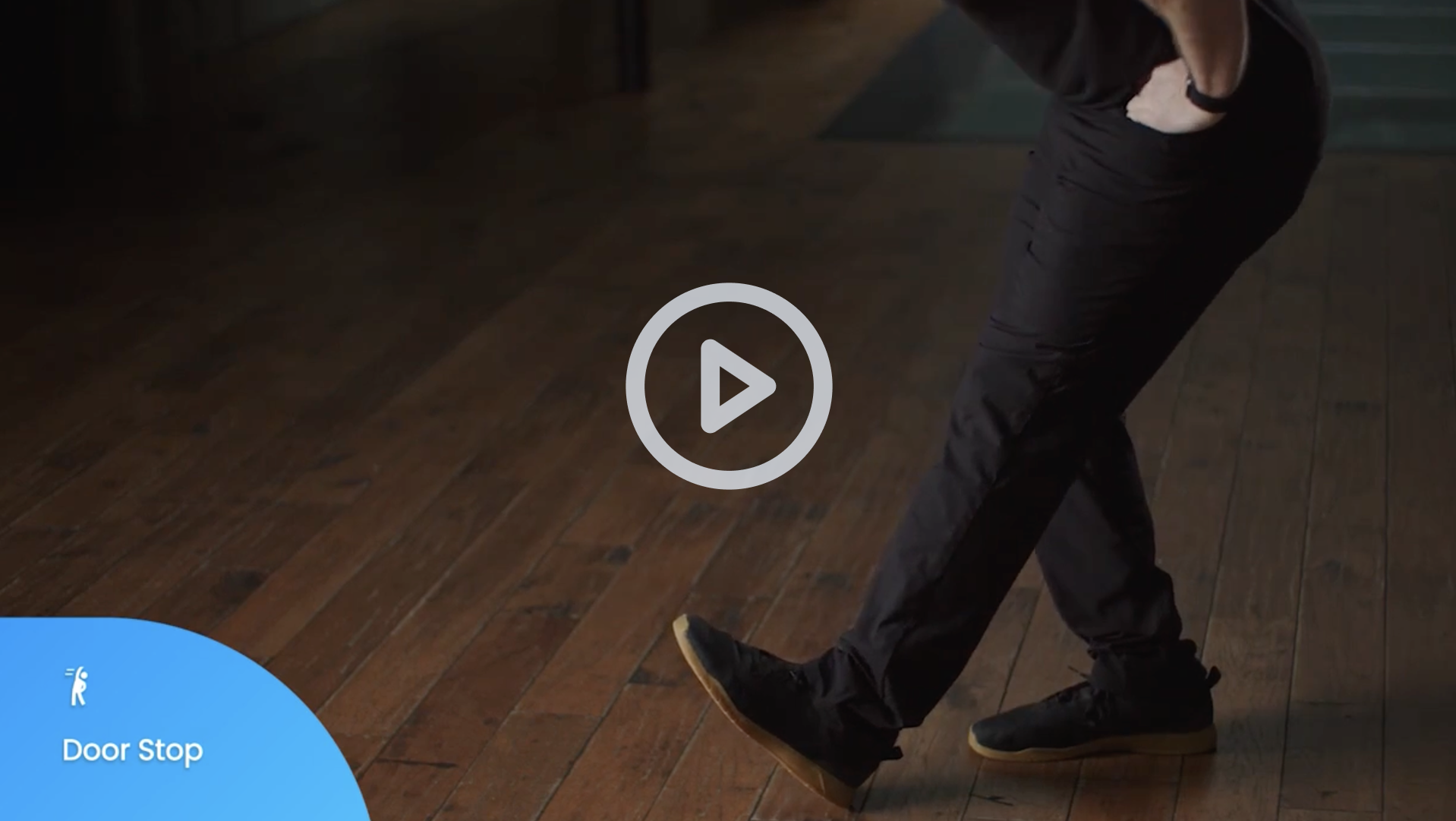
3-Minute Guided Warmup:

Used by crews and contractors to prepare their bodies at the start of shift


Toolbox Talk:

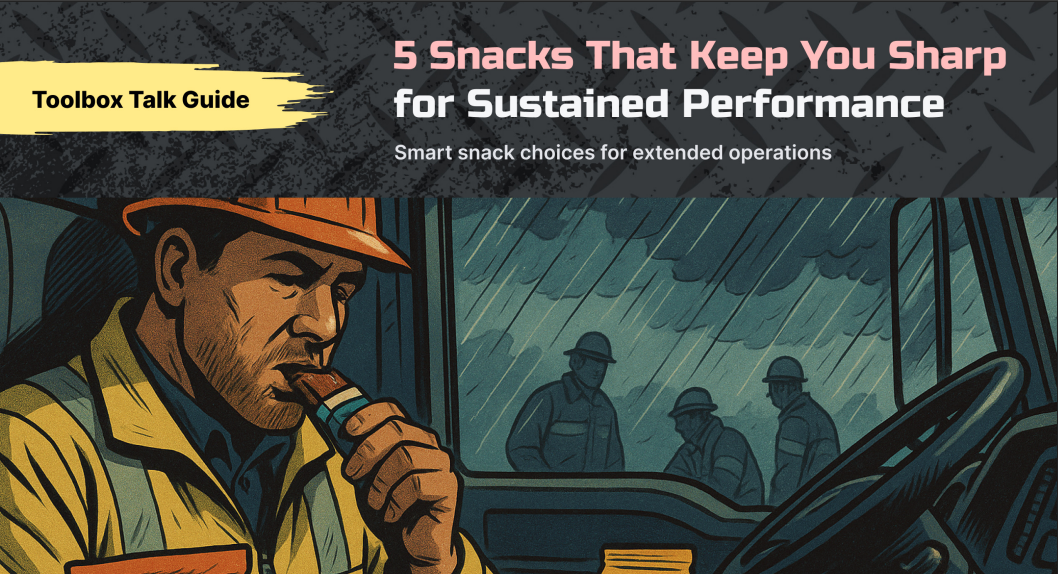
Used by crew leaders to guide pre-job briefs for both employees and contractors

Tailboard Talk


03
TAKEAWAY 3

Treat Incidents & Near Misses as Shared Learning Opportunities

When something goes wrong, the instinct is often to draw lines - who was responsible, whose policy applies, etc. A partnership mindset assumes positive intent and focuses on learning.

Use incidents, near misses, and close calls as opportunities to improve systems and behaviors for both utility employees and contractors. Shared incident learning strengthens trust and reduces repeat events. Use structured lessons-learned resources to facilitate joint discussions with contractor crews.


 IN PRACTICE 
After-Incident Lessons Learned

Utilities use structured lessons learned resources to facilitate joint discussions with contractors, focusing on what contributed to the event and how future risk can be reduced across crews.

Lessons Learned

THE TAKEAWAY


Contractor Safety Is
a Partnership Best Reinforced Daily


By shifting from a compliance-only mindset to a partnership approach, utilities can improve consistency across crews, strengthen trust with contractors, and address human factors before they lead to incidents.


Discover how Vimocity can scale your safety impact across every workgroup.

One comprehensive platform to help your safety and operational leaders prevent more incidents.

Vimocity